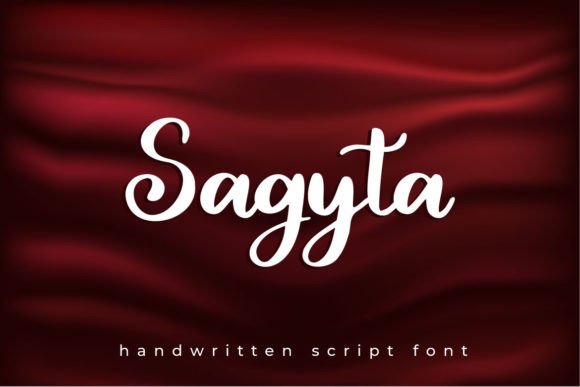
Sagyta: The Handwritten Script Font That Elevates Your Brand Identity
I still remember the moment I realized my bakery’s brand didn’t quite match the quality of our sourdough. I was standing in front of a stack of new packaging boxes, holding a marker, trying to sketch out our logo on the cardboard. It looked messy. Unprofessional. The rest of our social media posts were equally disjointed—some used bold sans serif fonts, others tried playful handwritten styles, and some were just standard Times New Roman because it was easy. Customers were complimenting the taste of our cakes, but they weren’t stopping to look at the brand. They weren’t sharing the photos. I needed something that felt personal yet polished, something that said "crafted with care" without looking like a amateur project.
That search led me to Sagyta, a handwritten script font that completely transformed how I present my business. If you are a small business owner, entrepreneur, or creative seller feeling stuck in a visual rut, you might find yourself in the same boat. Typography is often overlooked, but it is one of the most powerful tools for building a memorable brand identity. It sets the tone before a customer even reads your product description. In this story, I want to share how switching to a dedicated script typeface like Sagyta helped me create consistency, trust, and a more inviting aesthetic across all my design assets.
Why Sagyta Fits the Modern Creator Economy
Sagyta isn’t just another generic cursive font. It has a distinct personality—fluid, elegant, and effortlessly chic. When you look at a script font, you are looking for movement and flow. Sagyta delivers that organic feel while maintaining enough structure to remain legible. This balance is crucial for commercial use. Too many handwritten fonts are so decorative that they become unreadable on small labels or mobile screens. Sagyta strikes a perfect middle ground, making it ideal for both display text and supporting typography.
For brands in the beauty, lifestyle, food, or craft industries, this font bridges the gap between luxury and approachability. It feels premium, which is exactly what you want when you are trying to justify a higher price point for handmade goods or boutique services. Whether you are designing a logo for a new candle line or creating Instagram templates for a coaching business, Sagyta adds an immediate layer of sophistication. It signals to your audience that you pay attention to detail—a trait that translates directly into perceived product quality.
Real-World Applications for Small Businesses
One of the biggest challenges for solopreneurs is versatility. You need one asset that works everywhere. Sagyta proved to be incredibly adaptable in my workflow. Here is how I started integrating it into different areas of my business:
- Packaging Design: I redesigned our cookie box labels using Sagyta for the product name. The handwritten style made the packaging feel like a gift rather than a commodity. It added warmth to the unboxing experience, encouraging customers to take photos and share them online.
- Social Media Graphics: Consistency is key on platforms like Instagram and Pinterest. By using Sagyta for headlines and short phrases in my templates, I created a cohesive feed. The font’s fluid lines soften the overall look, making my content stand out in a crowded scroll without being aggressive.
- Product Labels and Stickers: For my skincare samples, I used Sagyta on small circular stickers. Because the font remains readable even at smaller sizes, it worked perfectly on jars and bottles. It gave my DIY products a retail-ready appearance that I could confidently send to local boutiques.
- Thank-You Cards: There is something deeply personal about a handwritten touch. I printed thank-you notes for every order using Sagyta. It felt like I was writing to each customer personally, which significantly improved my repeat purchase rate.
This versatility extends to other materials as well. I have used it for café menu headers, flyer titles, and even website banners. The key is to let Sagyta shine as a display font. It commands attention when used for titles, logos, or key marketing messages. However, it is important to remember that script fonts are best suited for short phrases. Using it for long paragraphs of body text can lead to readability issues, especially on digital devices where screen real estate is limited.
Mastering Readability and Font Pairing
A common mistake I see with beginners is letting the script do all the heavy lifting. While Sagyta is beautiful, it needs support. To make your brand look truly professional, you should pair Sagyta with a clean, neutral font. A simple sans serif font works wonders here. The contrast between the flowing curves of the script and the geometric stability of a sans serif creates visual interest and ensures that critical information—like prices, ingredients, or contact details—is easy to read.
For example, if you are designing a business card, use Sagyta for your name or brand logo at the top, and a clean sans serif for your title and contact info below. This hierarchy guides the eye naturally. Similarly, for web design or editorial layouts, pairing Sagyta with a modern serif font can add a touch of classic elegance, perfect for fashion blogs or high-end jewelry stores. The goal is balance. Let Sagyta provide the character, and let your supporting typography provide the clarity.
When placing Sagyta on product mockups or mobile thumbnails, keep these tips in mind:
- Size Matters: Ensure the font size is large enough to be read quickly. On social media thumbnails, viewers only have a second to decide if they will engage. Large, clear script headings grab attention faster than tiny, intricate ones.
- Contrast is King: Make sure your text stands out against the background. If you are using Sagyta on a dark photo, use white or light cream text. Avoid placing dark script on busy backgrounds; it will get lost.
- Spacing: Give your letters room to breathe. Tight kerning (spacing between characters) can make a script font look cluttered and hard to decipher. Loose spacing often enhances the elegant, airy feel of Sagyta.
Technical Details and Licensing for Commercial Use
Before downloading any typeface, it is essential to check the technical specifications. Sagyta typically comes in various file formats, such as OTF and TTF, ensuring compatibility with major design software like Adobe Illustrator, Photoshop, Canva, and Microsoft Word. Many premium script fonts also include alternates and ligatures—special characters that replace standard letter combinations to improve flow and aesthetics. These features allow you to customize your text further, adding unique flourishes to specific words.
However, the most critical aspect for any business owner is licensing. Always verify whether the font license covers commercial use. Since you intend to use Sagyta on products, packaging, merchandise, client work, or digital downloads, you need a license that permits these activities. Some fonts are free for personal use only, meaning you cannot put them on items you sell. Ensuring you have the correct commercial font license protects your business from legal issues and respects the designer’s work. Additionally, check for multilingual support if you plan to reach international audiences; having access to extended character sets means you can safely use the font for different languages without breaking the design.
Building a Cohesive Visual Language
Upgrading your typography is not just about picking a pretty font; it is about building a consistent visual language that customers can recognize instantly. When I committed to using Sagyta as my primary script font, I noticed a shift in how people perceived my brand. It became more trustworthy, more recognizable, and undeniably more polished. People began to associate that specific handwriting style with the quality of my products.
Whether you are launching a new online shop, redesigning your logo, or simply refreshing your social media presence, investing time in choosing the right typeface pays off. Sagyta offers the creativity of a handwritten font with the reliability needed for professional design. It helps you tell your story visually, turning everyday business materials into memorable brand experiences. So, the next time you are staring at a blank canvas, wondering how to make your brand pop, consider letting Sagyta bring that human, handcrafted touch to your work. Your customers will notice, and your business will thrive.