Ryshe Script: A Timeless Handwritten Typeface for Crafters and Sellers
As a creator who spends hours designing labels, cutting vinyl for signs, and formatting printable planners, I know that the right typeface can make or break a product. It is not just about aesthetics; it is about communication, brand identity, and the emotional connection you build with your customer before they even touch the item. That is why Ryshe has become such a staple in my design workflow. This lovely and timeless handwritten font offers a unique blend of elegance and approachability that works beautifully across a wide variety of physical and digital products.
The Visual Personality of Ryshe
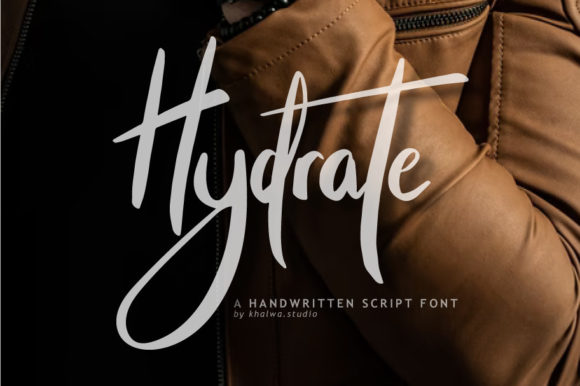
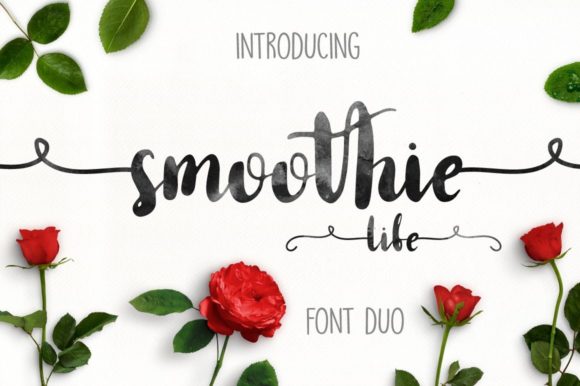
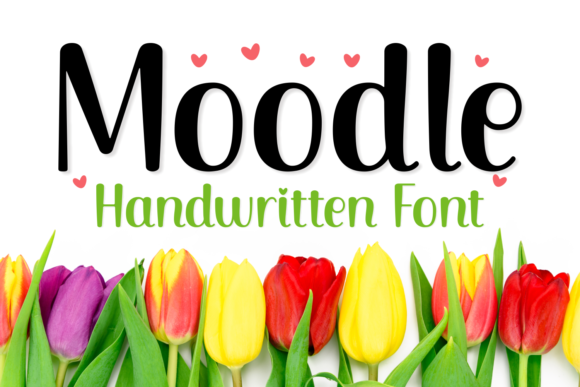
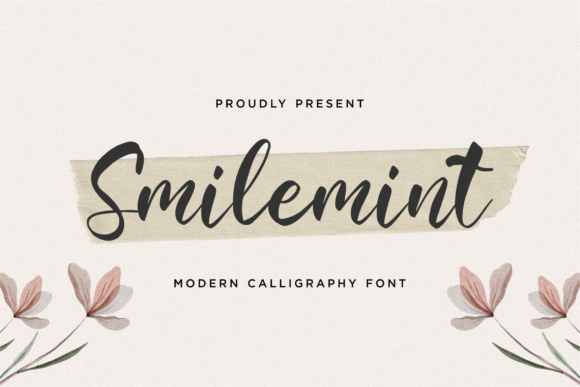
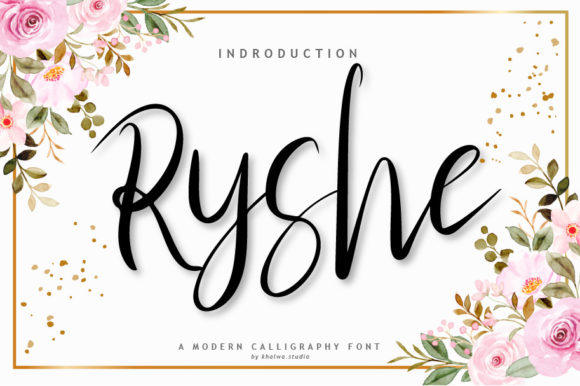
Ryshe is more than just a standard script font; it feels like a genuine expression of handwriting. Every letter has a unique and beautiful touch, which gives it an organic, human feel that mass-produced sans serif fonts often lack. For handmade sellers, this authenticity is crucial. When a customer sees a label on a jar of candle wax or a tag on a knitted scarf, they want to feel the care put into the creation. Ryshe delivers that warmth immediately.
The font’s style is modern yet classic, making it versatile enough for various niches. Whether you are creating rustic farmhouse decor or sleek minimalist wedding stationery, Ryshe adapts without looking out of place. Its flowing lines and consistent stroke weight ensure that it remains legible even when scaled down, which is a common challenge for many decorative script fonts. This balance between artistic flair and functional readability makes it one of the best choices for creating eye-catching logos, branding elements, and quotes.
Practical Applications for Handmade Products
In my shop, I use Ryshe extensively because it elevates the perceived value of simple items. Here are some specific ways this creative font shines in practical craft projects:
- Product Labels and Packaging: For small batch goods like bath bombs, soaps, or baked treats, clear and attractive labeling is essential. Ryshe works perfectly for product names and short descriptions. Because it is a display font that commands attention, it helps your packaging stand out on crowded shelves or in social media feeds.
- Invitations and Stationery: If you sell printable wedding invitations, birthday cards, or thank-you notes, Ryshe adds a touch of sophistication. It pairs exceptionally well with floral illustrations or watercolor backgrounds. The handwritten style feels personal and intimate, which is exactly what guests look for in event stationery.
- Vinyl Decals and Signs: Cricut and Silhouette users love Ryshe for its clean curves. It cuts smoothly, reducing the risk of weeding errors common with overly intricate scripts. Use it for welcome boards, nursery signs, or motivational wall art. The unique character of each letter prevents the design from looking too rigid or corporate.
- Stickers and Sticker Sheets: When designing sticker packs for planners or laptops, readability at small sizes is key. Ryshe maintains its charm even when printed on tiny die-cut stickers. It is ideal for short phrases, names, or single-word titles that need to pop.
- Digital Downloads and Templates: For those selling Canva templates or digital planners, Ryshe serves as an excellent header font. It draws the eye to important sections like "Weekly Goals" or "Recipe Index," guiding the user through the document with visual hierarchy.
Readability and Design Tips
While Ryshe is beautiful, using it effectively requires a bit of strategy. As a commercial font, it is designed to be used for short phrases, names, titles, and decorative wording rather than long paragraphs of text. Attempting to set body copy in a handwritten script can fatigue the reader’s eyes and reduce engagement.
To maximize impact, focus on contrast. Pair Ryshe with a clean sans serif font for secondary information. For example, use Ryshe for the main title on a candle label ("Lavender Dream") and pair it with a simple, geometric sans serif for the ingredient list or volume details. This combination creates a professional look that balances personality with clarity. Alternatively, pairing a bold display font with a simple serif font can work well if you are aiming for a more traditional or literary aesthetic, though Ryshe’s modern hand-drawn nature usually pairs best with clean, minimal typefaces.
When preparing files for cutting machines or high-resolution printing, always check the included styles. Many premium fonts come with alternates, ligatures, and swashes that add extra flair. Using these features sparingly can enhance your design without cluttering it. Ensure you are working in the correct file format, such as SVG for vector-based cutting or high-DPI PNG/PDF for printables, to preserve the crisp edges of the letters.
Building Brand Identity with Ryshe
Consistency is the backbone of a successful handmade business. By choosing Ryshe as a core part of your brand identity, you create a recognizable visual language. Customers begin to associate that specific handwritten flow with your quality and style. This is particularly effective for logo design and social media graphics. When your Instagram posts feature consistent typography, your feed looks curated and trustworthy.
Consider how Ryshe affects customer perception. A font that looks hastily typed suggests a rushed product. In contrast, a thoughtful, elegant script like Ryshe implies that attention to detail matters. This subtle cue can justify higher price points and encourage repeat purchases. Whether you are designing mugs, tote bags, shirts, or seasonal holiday packaging, the font sets the tone for the entire experience.
Licensing and Commercial Use
One of the most important aspects of using any typeface is understanding the licensing terms. Since you are likely using Ryshe to generate income—whether through Etsy sales, local markets, or client work—you must ensure you have the appropriate commercial license. Most premium fonts allow for the creation of physical end-products (like printed t-shirts or labels) but may restrict direct resale of the font file itself. Always read the end-user license agreement (EULA) carefully. This protects you from legal issues and ensures you are supporting the designer who created this beautiful asset.
By integrating Ryshe into your design process, you are investing in a tool that enhances both the beauty and the professionalism of your crafts. It bridges the gap between artistic expression and commercial viability, helping you create products that customers love to buy and keep.